Advantages and applications of aluminum-magnesium-manganese metal-faced sandwich panels
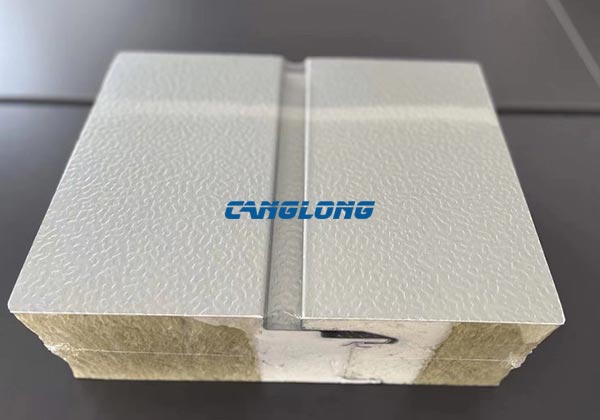
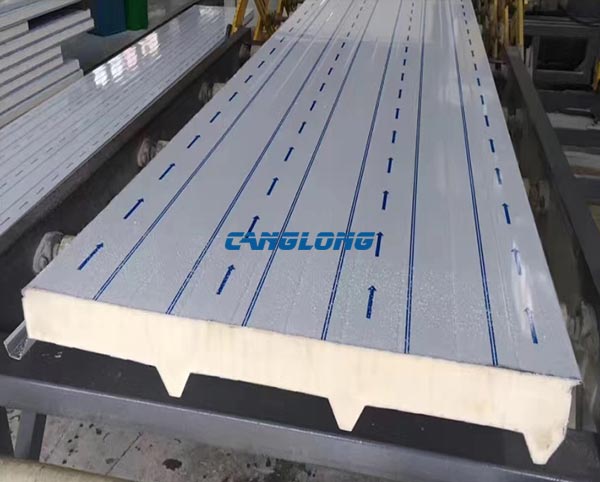
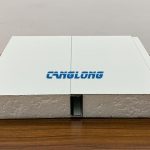
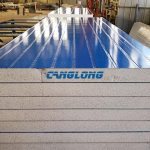
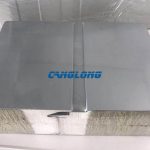
Aluminum-magnesium-manganese metal-faced sandwich panels are a modern, high-performance building material composed of a high-strength aluminum-magnesium-manganese alloy face panel and a core material, widely welcomed in the construction industry. This article will briefly introduce its main advantages and diverse application scenarios.
Main Advantages
Lightweight and High-Strength
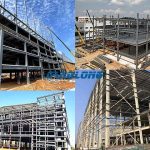
The low density and high strength of aluminum-magnesium-manganese alloy make the overall weight of the panels light, facilitating transportation and installation, while also being able to withstand large loads, suitable for large-span structures.
Excellent Durability
The aluminum-magnesium-manganese alloy surface naturally forms an oxide protective layer, providing excellent corrosion resistance and weather resistance, resulting in a long service life suitable for various climatic conditions.
Energy Saving and Environmental Protection
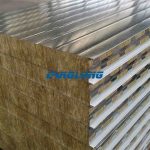
The core material in the middle of the panels (commonly polyurethane, rock wool, or polystyrene) provides excellent thermal and sound insulation properties, effectively reducing building energy consumption and conforming to global green building trends.
Fire Safety
Especially when using non-combustible core materials such as rock wool, a high fire resistance rating can be achieved, enhancing building safety.
Convenient Installation and Aesthetic Variety
Prefabricated production allows for fast and efficient installation. Metal panels can be customized with a variety of colors and surface treatments (such as fluorocarbon coatings) to meet the aesthetic needs of different architectural designs.
Cost-Efficient
While initial costs may be higher, their long lifespan, low maintenance requirements, and energy-saving characteristics significantly reduce the building’s total life-cycle cost.
Wide Range of Applications
Industrial and Logistics Buildings
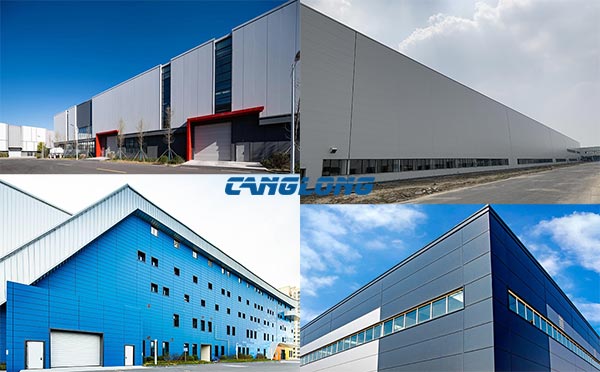
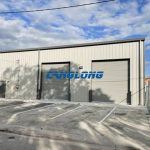
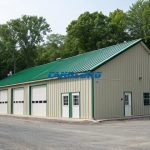
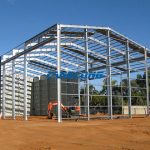
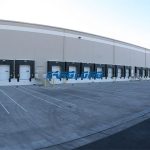
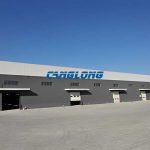
Widely used for roofs and walls of factories, warehouses, and logistics centers, meeting the needs of large spaces and rapid construction.
Commercial and Public Buildings
Commonly used for roofs and curtain walls of large public buildings such as shopping malls, airports, convention centers, and stadiums, balancing aesthetics and functionality.
Transportation Infrastructure
Used in high-speed rail stations, subway stations, bridge noise barriers, etc., providing durable and reliable enclosure solutions.
Agriculture and Specialty Buildings
Suitable for cold storage warehouses, farms, and other locations with specific temperature and humidity requirements.
Sustainable Development Projects
Due to their recyclability and energy-saving characteristics, they are often selected for LEED, BREEAM, and other certified green building projects.
Conclusion
Aluminum-magnesium-manganese metal sandwich panels, with their comprehensive performance advantages, are becoming a preferred material for architects, developers, and engineers. Whether for efficient industrial warehousing or public facilities that emphasize both image and function, they provide reliable, economical, and sustainable building envelope solutions, helping to construct stronger, more energy-efficient, and aesthetically pleasing modern buildings.