
Application trends of prefab steel storage buildings in South America
With the continuous optimization of South America’s economic structure and the rapid development of agriculture, logistics, and light industry, the demand for warehousing facilities is constantly growing. Against this backdrop, prefab steel storage buildings are gradually replacing traditional building forms, becoming the preferred solution for an increasing number of South American users.
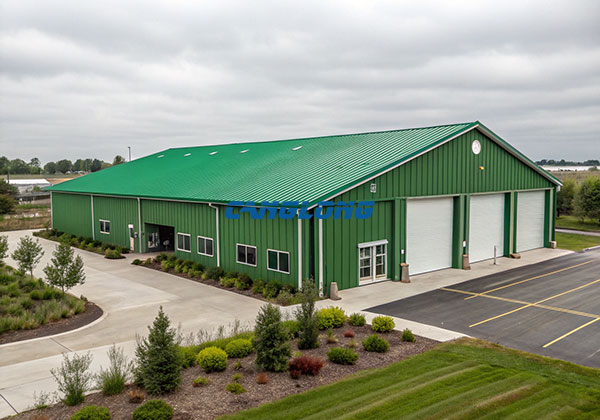
I. South American Market Background
In recent years, several South American countries (such as Brazil, Chile, Peru, and Colombia) have seen significant growth in the following areas:
- Agricultural product exports (soybeans, coffee, corn, etc.)
- Development of e-commerce and logistics industries
- Increased infrastructure investment
These industries have collectively driven the increased demand for efficient warehousing space.
At the same time, local businesses also face real challenges:
- Long construction cycles
- Rising labor costs
- Variable climate
This has gradually exposed the efficiency and cost disadvantages of traditional concrete buildings.
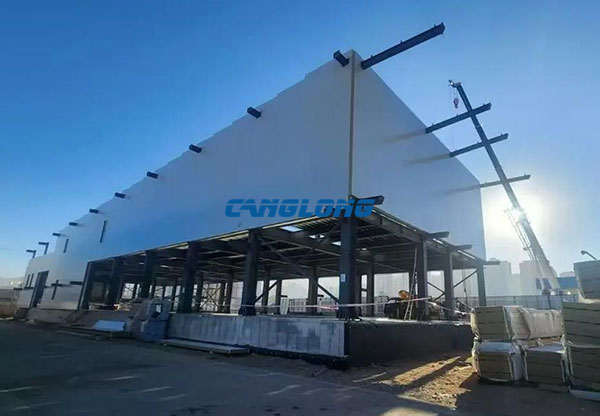
II. Why are Prefab Steel Storage Buildings Rapidly Becoming Popular in South America?
1. Fast construction speed, seizing market opportunities
Prefab steel structures are processed in factories and assembled on-site, significantly reducing the construction period. Quickly put into use before the peak season of logistics and agriculture, directly enhancing profitability.
2. Cost controllable and adaptable to developing markets
Compared to traditional architecture, steel structures have:
- Lower dependence on manual labor
- Higher material utilization rate
- Less construction waste
It is particularly friendly to the budget sensitive South American market.
3. Adapt to complex climatic conditions
The climate in South America is diverse, including tropical rainforest climate, high temperature and humidity environment, and heavy rainfall weather. Steel structure warehouses can be accessed through:
- Large slope roof design
- Optimization of ventilation system
- Anti-corrosion treatment
Provide a more stable and reliable storage environment.
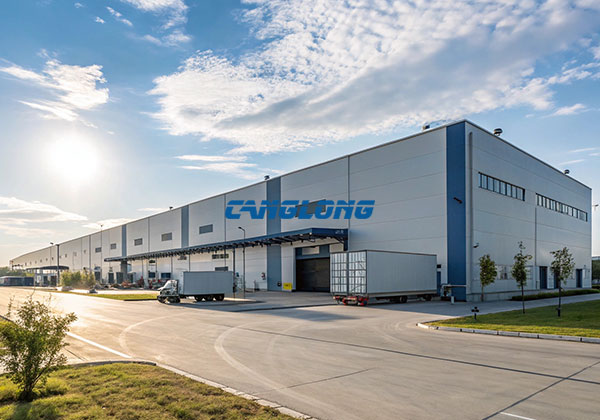
4. Flexible expansion to adapt to enterprise growth
Many South American companies are in the development stage and have a high demand for future expansion.
Steel structure buildings have modular characteristics and can easily achieve:
- Extend the length of the factory building
- Increase span
- Expand functional areas
Avoid duplicate investments and increase long-term returns.
5. Alignment with Green and Policy Trends
Some South American countries are promoting sustainable development policies, such as:
- Energy-efficient building incentives
- Tax incentives for industrial investment
Steel structure buildings offer:
- Recyclable materials
- Less construction pollution
- Low energy consumption
Easier to align with policy guidelines, improving project feasibility.
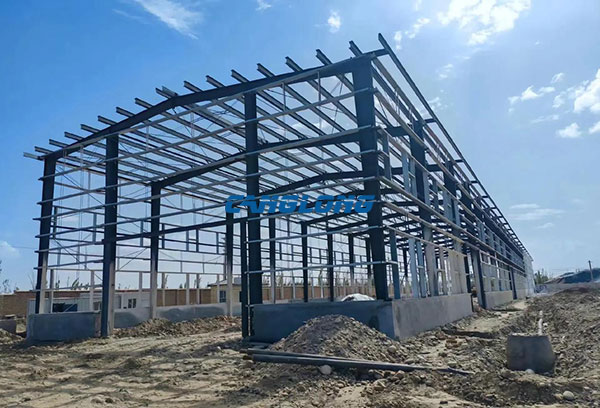
III. Main Application Scenarios
Currently, prefabricated steel storage buildings in South America are mainly used for:
Agricultural warehouses: storage of grains, coffee, and agricultural products.
Logistics warehousing centers: e-commerce and distribution systems.
Industrial warehouses: storage of raw materials and equipment.
Cold chain facilities: storage of food and pharmaceuticals.
Agriculture and logistics are the two fastest-growing sectors.
IV. Industry Trends
South American warehousing buildings are upgrading from basic needs to higher standards:
- From low-cost construction → High-efficiency operation
- From single warehousing → Integrated warehousing, processing, and logistics
- From traditional construction → Prefabricated construction
Prefabricated steel structures perfectly align with this transformation direction.
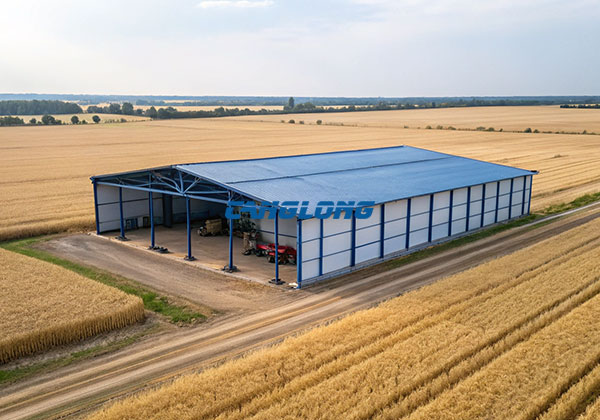
V. Canglong Group’s Solutions
Canglong Steel Structure has developed mature one-stop solutions, better suited to the South American market:
- Customized Design: Adapting to local climate and industry needs
- Standardized Production: Ensuring stable quality
- Efficient Transportation Solutions: Compatible with international logistics
- Installation Guidance and Support: Reducing construction difficulty
Helping customers complete project construction faster and more reliably.
Conclusion
In the South American market, prefab steel storage buildings are not just a building form, but a solution for improving efficiency, reducing costs, and achieving sustainable development.
With the continued growth of the agriculture and logistics industries, the demand for these buildings will further expand. For companies looking to enhance their competitiveness, choosing prefabricated steel structure warehouses means faster market entry, lower operating costs, and greater development potential.